
Stop Preparing!
There’s a curious ritual that happens in sales teams everywhere. A big meeting is coming up, a customer presentation looms, or the annual “strategic alignment” session appears on the calendar… and suddenly perfectly rational adults disappear into a frenzy of colour-coded folders, five-page rehearsal scripts, and enough PowerPoint slides to power a small coal plant.
Hours—sometimes days—are poured into practising every possible scenario, every line, every imagined question the customer might ask. People rehearse in the bathroom mirror or mutter value propositions while driving to work. And by the time the big moment arrives, half the team is already exhausted, dehydrated, and on the emotional edge.
It’s preparation theatre. And while it feels productive, it often isn’t.
Because in sales—especially in agribusiness—there is something far more powerful than perfect preparation: being prepared.
The Curse of the “Perfect Moment”
The problem with over-preparing is simple: it ties your confidence to a very specific version of reality.
If the customer asks this question, you answer that line from slide 14.
If your boss sits here in the room, then you start with the risk-free introduction.
If the projector works, the Wi-Fi holds, and the moon is in the right phase, then your entire rehearsed monologue might actually make sense.
But sales doesn’t work like that.
Agriculture really doesn’t work like that.
Sales—and agribusiness—are unpredictable, emotional, fast-changing, and full of humans with shifting priorities. The moment you prepare for often never happens. And the one you never imagined is exactly the one you face.
That’s why many great salespeople, consciously or not, follow a simple rule that farmers have used for generations:
“Plan carefully, then adapt shamelessly.”
Farmers: The Original Masters of Adaptation
If anyone understands the limitations of perfect planning, it’s a farmer.
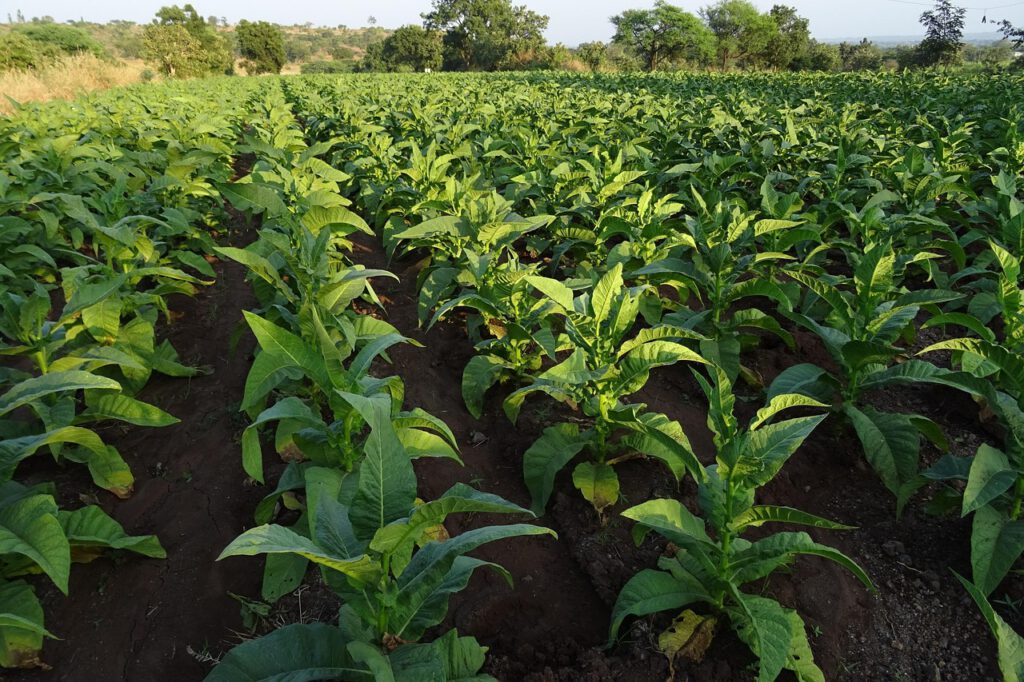
Farmers absolutely plan. They plan planting windows, fertiliser strategies, machinery servicing, budgets, and yield targets. But as every farmer in Africa, Europe, Australia or anywhere else will tell you, nature doesn’t read the plan.
A season might start with a neat spreadsheet—but then:
- A late frost wipes the early advantage
- Rainstorms delay planting
- Markets shift
- Pests arrive uninvited
- A drought changes everything
- The neighbour buys the last fertiliser batch
- Or—classic—something breaks
(usually on a Sunday, usually in the rain)
As one Oregon farmer once said:
“The farm teaches you fast: the plan is a good servant, but a terrible boss.”
Farmers rely heavily on intuition, experience, accumulated knowledge, and a natural ability to respond in real time. They don’t panic when the unexpected happens—they expect the unexpected. And that makes them adaptable, calm, and remarkably effective decision-makers.
Salespeople can learn a lot from that.
Sales Isn’t a Script — It’s a Conversation
Over-preparing turns you into a performer reciting lines.
Being prepared turns you into a human having a conversation.
Customers can feel the difference instantly.
A salesperson who is “perfectly prepared” often appears stiff, locked into pre-planned talking points, and unable to deviate. They pitch even when they should listen. They push slides even when the customer has already given the answer.
A prepared salesperson, on the other hand:
- listens more
- asks better questions
- reacts quickly
- notices things
- connects dots
- adapts to mood, moment, and reality
They don’t need 30 pages of notes.
They are the notes.
Their preparation is invisible because it’s woven into their competence, knowledge, curiosity, and sense of timing.
Energy Management: The Real Competitive Advantage
Over-preparing burns an enormous amount of mental energy for a single moment—energy you won’t get back when the next opportunity arrives tomorrow morning.
Being prepared distributes your energy evenly across the week, allowing you to remain:
- mentally fresh
- emotionally stable
- physically relaxed
- strategically sharp
This long-term approach wins far more deals than the one-off big moments.
The best salespeople aren’t the ones who “perform” once a month.
They’re the ones who show up consistently—always alert, always curious, always ready.
Just Drifting Along – The Real Skill
There’s an underrated skill in sales and agribusiness: drifting intelligently.
Not drifting aimlessly.
Not drifting carelessly.
But drifting with awareness—moving with the current, not against it.
This means:
- trusting your expertise
- recognising patterns
- improvising
- following the energy of the room
- letting customers guide the journey a little
- spotting opportunities you didn’t plan for
Call it intuition, call it instinct, call it “reading the veld”—it’s the same thing farmers do every day when they walk their land.
As author Alex Farrow once wrote about farmers,
“The land teaches patience first, then flexibility, and only at the end does it teach knowledge.”
Sales teaches the same, but many people try to skip straight to the knowledge.
“Prepare Less. Perform Better” Means This:
1. Know your subject deeply.
Not the script — the actual content.
If you understand your products, markets, customers, and competitors, you can walk into any situation with confidence.
2. Build situational intelligence.
Learn to read people, rooms, moods, timing, attention spans, and emotional cues.
3. Stay flexible.
Don’t get attached to your plan. Use it as a comfort blanket, not a prison.
4. Keep energy for the moment.
Your best sales moves often happen spontaneously.
5. Trust your experience.
Every conversation you’ve ever had is part of your preparation.
6. Be like a farmer.
Respect the plan, nourish what needs to grow and allow time to work for you.
The Bottom Line
Salespeople who over-prepare often miss the magic of the moment.
Salespeople who are prepared recognise the possibilities of the moment.
In agribusiness—where markets shift, seasons surprise, and customers juggle 50 variables before breakfast—flexibility, intuition, and adaptive thinking are far more valuable than a perfect script.
Or, as one seasoned cattleman in Limpopo, South Africa told a young ambitious salesperson:
“Son, you don’t need a plan for every meeting — you just need to know what you’re doing.”