Agribusiness in Germany
Agribusiness in Germany is characterised by depth, structure, and long-term reliability. It is one of Europe’s most comprehensive and demanding markets, covering the entire supply chain from farm to table. Primary production, processing, logistics, retail, and food service are tightly connected, with a strong emphasis on traceability, consistency, and compliance. This integrated approach makes Germany not only a major domestic market, but also a strategic reference point for neighbouring countries and wider European trade.
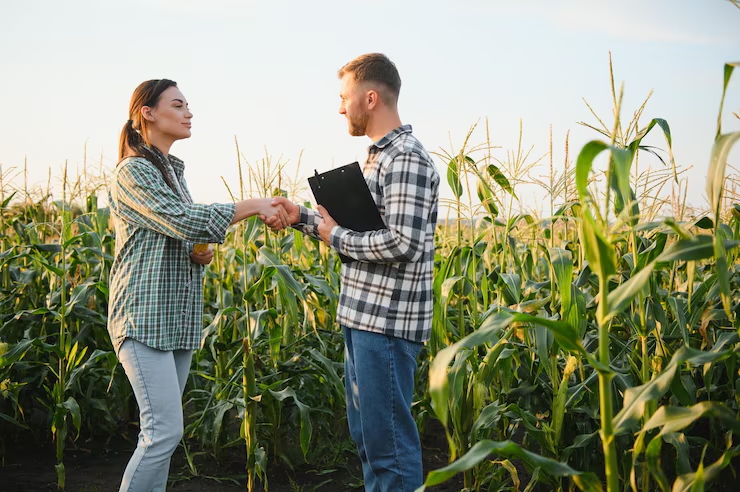
At farm level, German agriculture is highly professionalised and data-driven. Farmers operate within well-defined regulatory frameworks and increasingly combine productivity with environmental responsibility. Sustainability, animal welfare, soil health, and resource efficiency are no longer niche topics but core business requirements. This sets high expectations for suppliers of inputs, technology, and services, who must demonstrate both technical performance and regulatory compliance.
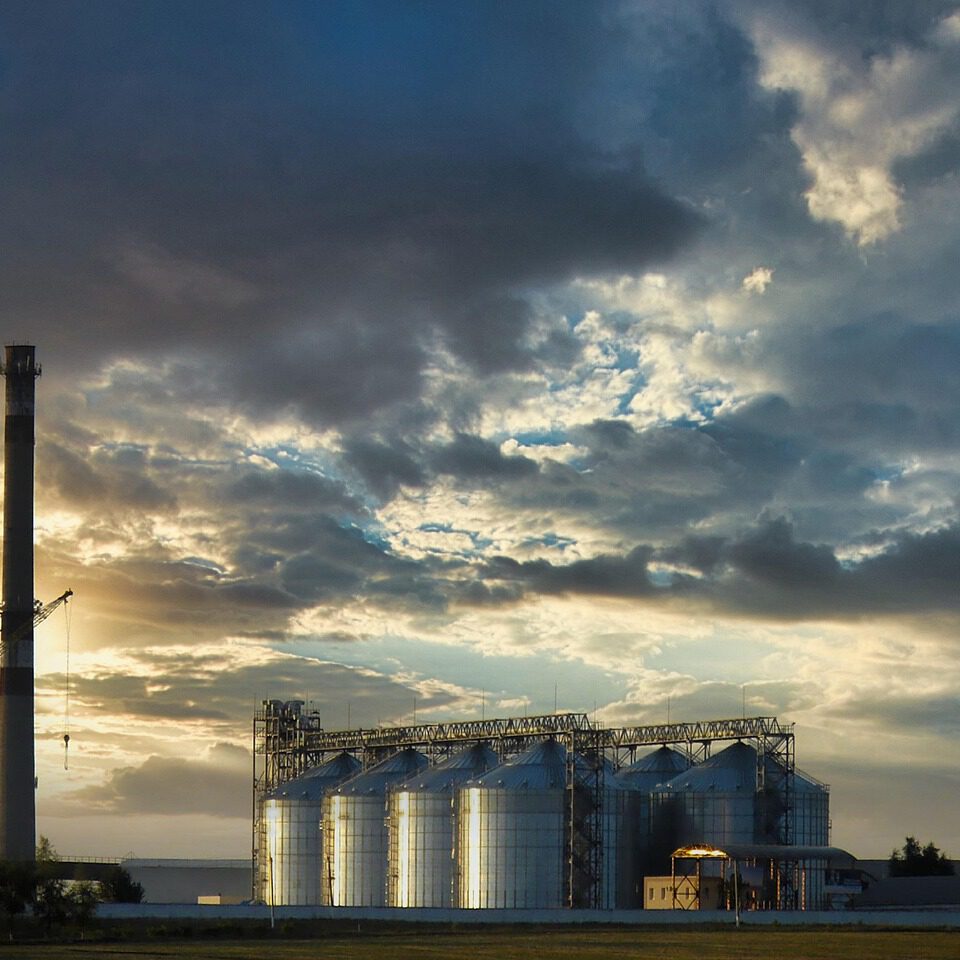
Processing and manufacturing form the backbone of German agribusiness. The country hosts a dense network of mills, dairies, slaughterhouses, breweries, ingredient producers, and food manufacturers, many of which operate at global scale while maintaining strong regional roots. Quality management systems, certification schemes, and process control are deeply embedded. Products must meet strict specifications, and deviations are rarely tolerated. As a result, German processors value long-term supplier relationships built on reliability, transparency, and continuous improvement.
Distribution and retail further reinforce these standards. German retailers and wholesalers are known for their disciplined procurement practices, detailed contracts, and strong focus on price-performance ratios. At the same time, consumer expectations around food safety, origin, sustainability, and value for money are high. This creates a market environment where credibility and consistency matter more than speed or aggressive short-term positioning.
From a business culture perspective, agribusiness in Germany is not a market for quick wins or short-lived trends. Decision-making processes are often thorough and can appear slow to external companies. However, once trust is established and partnerships are in place, relationships tend to be stable and enduring. Growth is typically incremental rather than explosive, but it is solid, predictable, and resilient across economic cycles.
This reliability is one of Germany’s greatest strengths. Success in the German agribusiness market is widely recognised as a mark of quality and professionalism. Companies that perform well here often find it easier to expand into Austria, Switzerland, the Benelux countries, and Northern Europe, where German standards are well understood and frequently used as a benchmark.
In summary, agribusiness in Germany is defined by its end-to-end integration, high demands on quality and conduct, and a business culture built on trust and long-term value. It may not reward rapid expansion or speculative approaches, but for companies willing to invest in relationships, compliance, and consistency, it offers sustainable growth and a strong platform for regional and international success.