Why We Started the Agribusiness Lectures
Agriculture might seem familiar at first glance. Fields stretching to the horizon, tractors moving steadily through the soil, the rhythm of the seasons—it all looks straightforward. But anyone who steps into the world of agribusiness soon realises that it is anything but simple. Beneath the surface lies a web of biological, economic, and global forces that interact in ways outsiders rarely anticipate.
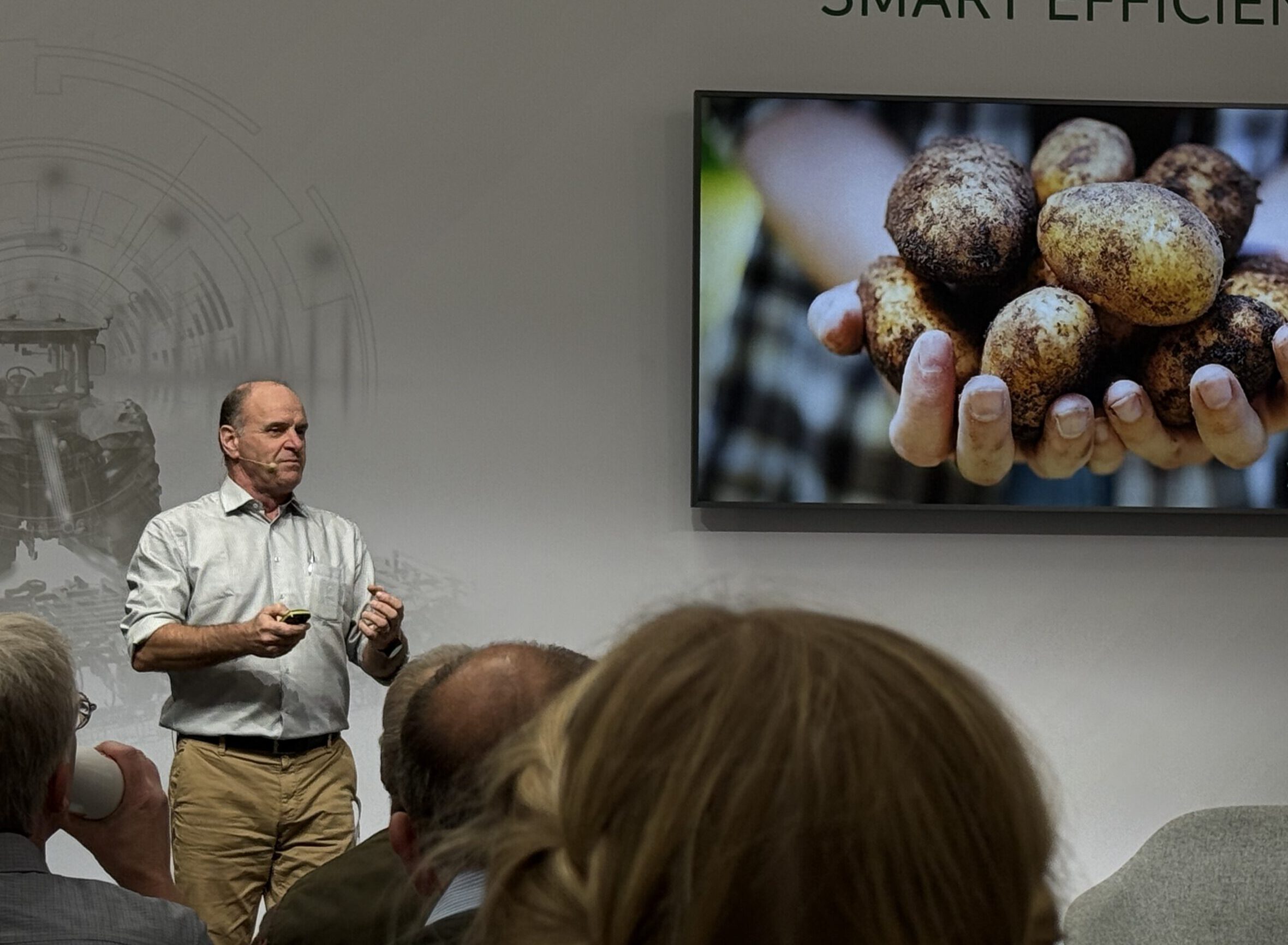
Over the past thirty years, I have had the privilege of working across almost every part of this chain—from the soil in the field to processing plants, from international commodity trading to certification systems, and strategic market development in regions as diverse as Europe and Africa. Along the way, I’ve seen highly capable professionals from sectors such as engineering, IT, finance, and consulting struggle to navigate the agricultural world. Their skills and experience are not in question, but agriculture operates by its own logic. That realisation led me to create The Agribusiness Lectures, a workshop programme designed to help companies understand how this complex industry really works.
Agriculture is at once a biological and an industrial system. Unlike a factory or a laboratory, where processes can be controlled with precision, farming relies on living systems that change with the seasons, weather, soil conditions and disease pressures. A harvest is never guaranteed. Every crop, every batch of milk, every batch of grain results from the interaction of climate, biology, technology, and human management. Decisions must account for this uncertainty, making agribusiness both fascinating and challenging.
The agricultural value chain is long and interconnected. Consider a simple loaf of bread: the journey begins with plant breeders developing wheat varieties, continues through farmers producing the grain, traders managing logistics and storage, mills processing flour, and bakeries producing the final product before it reaches the shelves of retailers. Each stage is interdependent, and a disruption anywhere—drought in one country, a shortage of fertiliser in another, a sudden change in global demand—can ripple across the system. Success in agribusiness requires understanding not only production, but logistics, markets, processing and global trade.
Time also behaves differently in agriculture. While many industries see results from decisions within months, in agriculture, decisions can take years to fully play out. Planting a new orchard, improving soil health, introducing new livestock genetics—all of these require patience and long-term planning. A vineyard planted today may only reach full production a decade later, and soil management decisions can influence yields for generations. Understanding these long cycles is crucial for anyone entering the sector.
Agriculture is exposed to a combination of risks rarely found elsewhere. Weather, disease, pests, volatile commodity prices, regulatory changes and logistical challenges all converge to influence outcomes. Risk management is therefore not optional; it is essential. Companies that thrive in agribusiness learn to anticipate, adapt, and respond to a range of uncertainties that other industries may never face.
At the same time, agriculture is deeply global. Coffee grown in Brazil may be roasted in Germany and consumed in Japan. Wheat from Ukraine may feed livestock in Spain or Egypt, while soybeans from the United States may sustain poultry production in Southeast Asia. Understanding these flows, and the cultural and economic factors that shape them, is essential for anyone serious about agribusiness.
Despite its deep roots in tradition, agriculture embraces technology. Satellite imagery, precision farming, robotics, genomics, and digital platforms are increasingly integral to production. Yet technology must operate within the realities of living systems and rural communities. Adoption depends on economics, local conditions, and human behaviour, meaning that technological solutions are never simply plug-and-play.
And, of course, agriculture produces what is most fundamental to human life: food. Unlike most industrial products, food carries cultural, health, ethical, and political weight. Regulations, sustainability expectations, and public perception all shape the market. Success requires navigating both the commercial and social dimensions of the sector.
The Agribusiness Lectures were created to address these challenges. They provide a structured introduction to agriculture and its connected industries, offering participants practical insight into the full value chain—from field to consumer and from biological production to global markets. The workshops are tailored to each company’s needs, whether the goal is entering the sector, repositioning within it, or simply understanding agricultural clients and markets better.
Participants explore soils, crops, livestock, climate, and biodiversity before moving into food and beverage production, including processing technologies, beverages and alcohol, animal feed, biofuels, and commodity trading. The focus throughout is on connecting technical knowledge with commercial reality, providing tools, insights, and networks that make success achievable.
Having worked across almost every link of the chain in multiple continents, I can help companies connect the bigger strategic picture with the practical realities of doing business in agriculture. The workshops are not about theory; they are about giving participants the confidence, knowledge, and context to make decisions that work in this complex and fast-changing industry.
Agriculture is undergoing profound change. Population growth, climate pressures, technological advances, and evolving consumer expectations are reshaping the sector. For those willing to engage with its complexity, agribusiness offers extraordinary opportunities. If your company is looking to enter, reposition, or grow in this sector, the Agribusiness Lectures are designed to guide you through the journey.